Quick answer
The most dangerous thing left on a finished site is the dust you can’t see — fine respirable particles, above all respirable crystalline silica (RCS) from cutting, grinding or drilling concrete, tile and stone. A space can look spotless and still hold enough RCS in vents, tracks and voids to breach Australia’s exposure standard of 0.05 mg/m³ over an eight-hour average. Controlling it takes H-class HEPA capture, dust suppression, air scrubbing, HVAC cleaning and fit-tested respirators — then verification before anyone moves in.
Hidden Danger in Post-Construction Cleaning
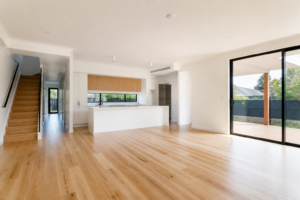
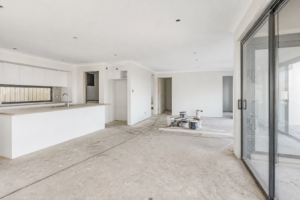
When a site looks spotless, the danger that remains is usually the one you can’t see. We’re talking about fine residual dust after the trades leave — especially silica — and the health risks it creates if it isn’t controlled.
These particles float, settle, and re-aerosolise with a breeze or a footstep. A space can look perfect and still cause coughing when people move in. In Australia, that makes it a compliance issue as much as a cleanliness one.
Key takeaways
- The biggest hazard on a finished site is invisible respirable dust — above all, respirable crystalline silica (RCS).
- Australia’s exposure standard for RCS is 0.05 mg/m³ over an eight-hour average (Safe Work Australia).
- From 1 December 2026, that standard moves into the new Workplace Exposure Limit (WEL) framework — same number, stricter legal footing.
- Controlling it takes H-class HEPA capture, dust suppression, air scrubbing, HVAC cleaning and RPE — then verification.
- Ventilation and documented proof are part of a compliant handover, not optional extras.
What’s the most dangerous thing on a “clean” site?
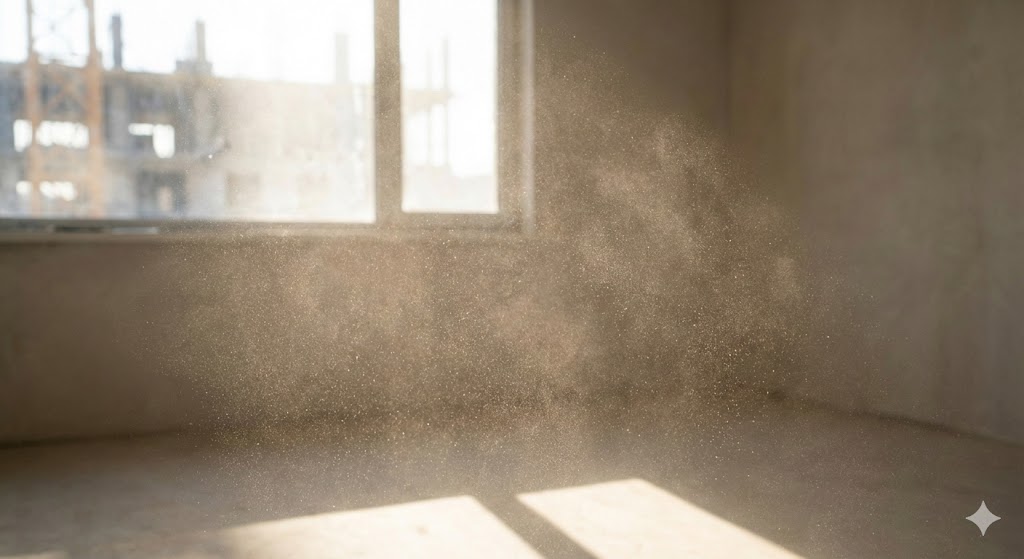
Invisible respirable dust. It lingers in ducts, carpet underlay, light fittings, grout lines and ceiling tracks. The highest-risk fraction is respirable crystalline silica from cutting, grinding, drilling or chasing. RCS is small enough to reach deep into the lungs and can cause irreversible disease — which is why Australia sets such a low exposure standard.
And it isn’t only silica. Residual dust also carries cement fines, wood dust, metals and paint residues. Poor ventilation after build-tightening traps those contaminants and prolongs exposure right through fitout and handover.

Why these risks stay invisible
Looks clean isn’t the same as breathes clean
- The most harmful particles are invisible to the naked eye.
- After an initial clean, foot traffic and airflow re-aerosolise the fines.
- A spotless photo can hide poor ventilation and trapped particulates.
Trade sequences create hidden reservoirs
- Services and fixout phases leave dust behind switch plates and inside joinery.
- HVAC returns and flexible ducting collect dust that later blows back into rooms.
- Tighter buildings need deliberate purge and filtration steps.
Silica hasn’t left the site
- Sawing or grinding concrete, bricks, tiles and stone creates RCS that settles everywhere.
- Australia’s exposure standard is low, and it demands robust controls.
Australia’s rules you actually need to know
The exposure line in the sand
The workplace exposure standard for RCS is 0.05 mg/m³ (eight-hour TWA). That threshold shapes cleaning controls, PPE and verification, and it underpins PCBU (Person Conducting a Business or Undertaking) due-diligence obligations at handover. Source: Safe Work Australia.
What changes on 1 December 2026
From 1 December 2026, Safe Work Australia’s exposure standards move into a new Workplace Exposure Limit (WEL) framework. For silica the number itself stays at 0.05 mg/m³, but the legal footing around it tightens — so if your close-out documentation is thin now, it will be more exposed then.
Safe Work Australia has also proposed halving the silica limit again, to 0.025 mg/m³. That proposal is still under consultation and is not law — but it’s a clear signal of direction, and worth factoring into how you write cleaning scopes for projects completing in 2027 and beyond.
Engineered stone: what changed
Australia banned the use, supply and manufacture of engineered stone from 1 July 2024, with import controls from 1 January 2025. Legacy engineered stone work requires strict controls. If any stone trades were on your site, assume silica controls until proven otherwise. Guidance: Safe Work Australia and Australian Border Force.
Ventilation isn’t optional
The National Construction Code requires ventilation that provides adequate air for the intended use. In practice, post-build purge cycles, filtration and proof that contaminants are controlled are how you demonstrate a healthy indoor environment at handover. See NCC Volume One, Part F6 and the Indoor Air Quality Verification Handbook.

Controls that actually work
1. Capture with the right machines, not household vacs
- Use H-class industrial vacuums with HEPA filtration for dry dust.
- Do not use household vacuums anywhere silica may be present — even ones labelled “HEPA”.
- Empty units and change filters using controlled methods, so you don’t re-release what you just captured.
See SafeWork NSW on clean-up and disposal of silica dust.
2. Suppress, and avoid dust storms
- Mist or damp-wipe so dust never becomes airborne in the first place.
- Avoid aggressive sweeping — HEPA vacuum first, then damp microfibre.
- Schedule quiet-air periods after any disturbance so filtration can do its job.
3. Control the air, not just the floor
- Run portable air scrubbers with HEPA filters, positioned for directional airflow.
- Use purge ventilation to achieve adequate air changes before occupancy.
- Verify with final dust checks before you remove any controls.
4. Treat HVAC as a dust highway
- Seal returns and supply grilles during dirty works; clean them before commissioning.
- Replace construction filters and clean return cavities before handover.
- Clean ceiling voids and bulkheads — they hold surprising loads of fines.
5. Protect people with the right RPE
- Provide fit-tested respiratory protective equipment suited to the task.
- Keep RPE on through clean-down and waste handling, not just the noisy work.
- Train workers on donning and doffing, and keep consumables stocked.
6. Clean as you build, then clean again
- Daily housekeeping prevents the build-ups that linger for weeks.
- Finish with a two-stage HEPA plus damp wipe process, then verify.
- Only then remove containment and open the space for inspection.
Getting the sequence right across the whole project is what makes this achievable — our guide to the building handover cleaning schedule covers when each stage should happen.
The Spruces approach to safer handovers
We design cleaning scopes that reduce these health risks while still hitting your practical deadlines.
- Dust-first sequencing: dusty tasks staged before finishes, with cleaning between trades.
- HEPA throughout: H-class vacuums and air scrubbers running during final cleans and snagging.
- Ventilation and purge: aligned with NCC principles, run before walkthroughs.
- Targeted hot spots: ceiling tracks, returns, joinery voids and window tracks get dedicated passes.
- Proof, not promises: documented controls at sign-off, so you can show how the risk was managed.
For the detail of what we cover, see our building and construction cleaning service, or take our room-by-room builders clean checklist to site.
Quick wins you can implement this week
- Specify H-class HEPA vacuums for all final cleans, not “as available”.
- Require daily housekeeping during the final fortnight.
- Add an NCC ventilation line item to the close-out checklist.
- Remind trades that these dust hazards remain a PCBU responsibility until handover.
- Ask your cleaner for an air and dust purge plan before practical completion.
How we verify before you move in
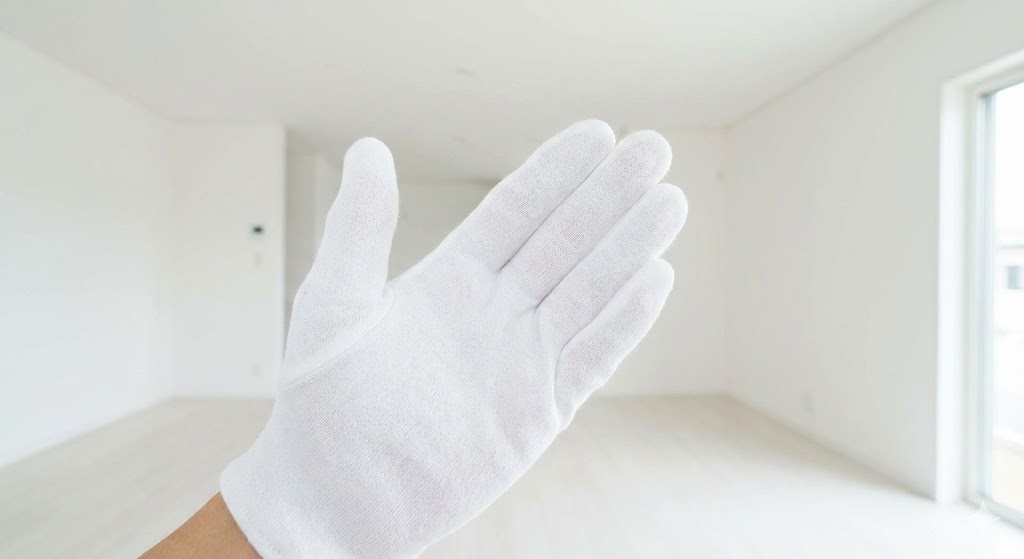
- Visual and wipe tests — white-glove checks on ledges, tracks, fittings and ceiling surfaces.
- HEPA and damp cycle — one more HEPA pass, then damp microfibre, focused on re-aerosolisation points.
- Ventilation purge — open up and run mechanical purge to achieve adequate air for occupancy.
- Sign-off pack — documented controls and a short note on how the risks were managed on your site.
The bigger picture: why Australia keeps tightening controls
The engineered-stone prohibition, the move to the WEL framework, and the proposal to halve the silica limit again all point the same way: residual dust at fitout and handover is a health issue, not just a housekeeping job. Write your cleaning scope against exposure, ventilation and verification — not only against appearances.
Frequently Asked Questions
Because the highest-risk particles are invisible and re-aerosolise easily. H-class HEPA units capture them; household vacuums don’t, and must not be used where silica may be present.
Yes. Concrete, bricks, tiles and many natural stones contain crystalline silica. Controls target RCS regardless of product.
Australia’s eight-hour TWA exposure standard for RCS is 0.05 mg/m³. Cleaning methods should help you stay well under it.
Exposure standards move into the new Workplace Exposure Limit framework. The silica figure stays at 0.05 mg/m³, but the legal footing tightens. A further reduction to 0.025 mg/m³ has been proposed and is under consultation.
Yes. The NCC requires ventilation providing adequate air for occupancy, and purge cycles plus filtration are how you demonstrate it at handover.
H-class HEPA gear, fit-tested RPE, daily housekeeping, HVAC protection and cleaning, a purge plan, and a signed statement of how the risks were controlled.
Need a compliant, low-stress handover?
The most dangerous thing on a “clean” site is the dust you can’t see. Focus on exposure, ventilation and proof rather than shine, and you address the risks that actually matter at handover.
Send your floor plans, a few site photos and your handover date to finalclean@spruces.co, or call +61 489 937 600, and we’ll tailor a cleaning scope that protects both people and programme.
References
- Safe Work Australia — Workplace exposure standard for RCS
- Safe Work Australia — Engineered stone ban
- Safe Work Australia — Research into a lower exposure standard for RCS
- Australian Border Force — Engineered stone import laws
- ABCB — NCC Volume One, Part F6 Light and Ventilation
- ABCB — Indoor Air Quality Verification Handbook
- SafeWork NSW — Clean-up and disposal of silica dust